
The Essential Checklist for Hot Tub Repair
Owning a hot tub is a great way to relax, spend time with family, and enjoy your outdoor space. However, because hot tubs rely on plumbing, electrical, and mechanical systems, they require regular maintenance to stay in good condition. Small problems can quickly become costly repairs if they are not addressed promptly.
Understanding the basics of hot tub repair can help homeowners respond to issues with confidence. While some problems can be resolved through simple troubleshooting, others may require professional attention. By following a practical maintenance checklist, you can extend the life of your spa, improve performance, and keep it operating smoothly throughout the year.
Identifying Common Problems
The first step in effective hot tub repair is recognizing when something is not working correctly. Many issues begin with subtle warning signs that can easily be overlooked. Paying attention to unusual sounds, fluctuating temperatures, or changes in water quality can help prevent more serious damage.
Leaks are among the most common concerns for hot tub owners. Water may escape from damaged plumbing connections, worn seals, cracked fittings, or aging components. If you notice water collecting around the base of the spa or experience unexplained water loss, it is important to investigate the source promptly.
Electrical issues can also develop over time. Tripped breakers, unresponsive control panels, or intermittent power interruptions often indicate a problem that should not be ignored. Addressing these warning signs early can make hot tub repair less complicated and help maintain a safe environment for everyone using the spa.
Gathering Essential Tools
Having the right tools available can make maintenance and repairs significantly easier. Even homeowners who prefer calling professionals for major work benefit from keeping a few basic supplies on hand. A well-stocked toolkit allows you to perform inspections and handle minor issues before they escalate.
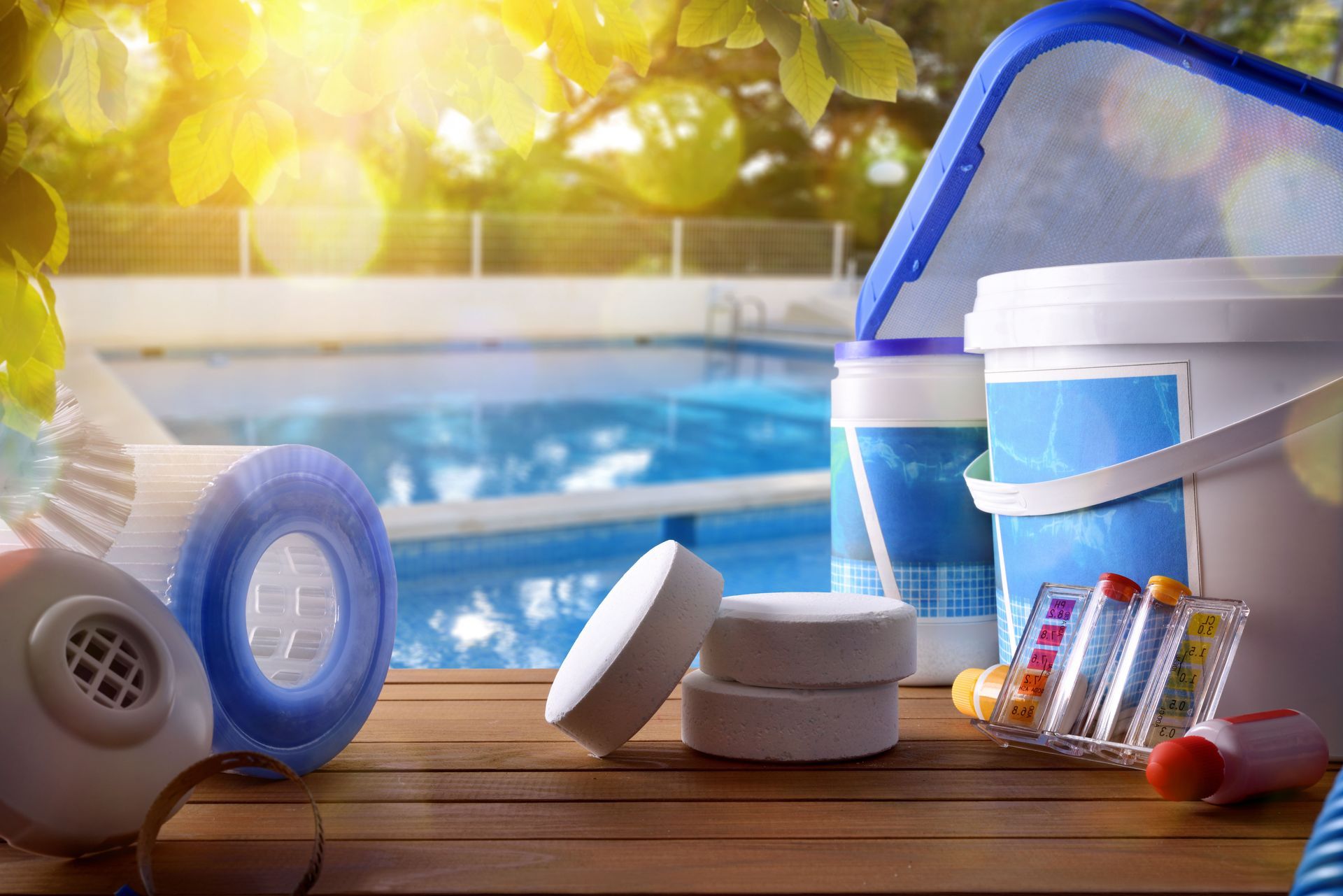
Common tools include screwdrivers, adjustable wrenches, pliers, and a multimeter for checking electrical connections. These items help with everything from tightening loose components to identifying faulty parts. Having replacement O-rings, gaskets, and seals available can also reduce delays when repairs become necessary.
Safety should remain a priority during any maintenance task. Protective gloves and safety glasses help minimize risks when working with chemicals or equipment. Before beginning any hot tub repair project, always disconnect power and review the manufacturer's recommendations for your specific model.
Monitoring Water Quality
Water quality plays a larger role in hot tub performance than many people realize. Poorly balanced water can contribute to equipment damage, clogged components, and uncomfortable soaking conditions. Regular testing helps identify problems before they impact the overall system.
Maintaining proper pH levels is one of the most important aspects of water care. When pH levels become too high or too low, they can affect sanitizer effectiveness and accelerate wear on internal components. Consistent monitoring helps preserve both water quality and equipment longevity.
The popularity of hot tubs highlights the importance of proper maintenance. According to Consumer Affairs, the United States is home to roughly 7.3 million hot tubs, making regular upkeep a common responsibility for millions of owners. With so many systems in operation, proper water management remains one of the most effective ways to reduce the need for extensive hot tub repair.
Sanitizer levels, calcium hardness, and alkalinity should also be checked routinely. Balanced water protects pumps, heaters, and plumbing components while creating a cleaner and more enjoyable experience for users.
Inspecting Filters and Circulation
A healthy circulation system keeps water moving through the spa and helps distribute heat and sanitizer evenly. When circulation becomes restricted, several performance issues can develop. Regular inspections allow homeowners to catch these concerns before they become costly.
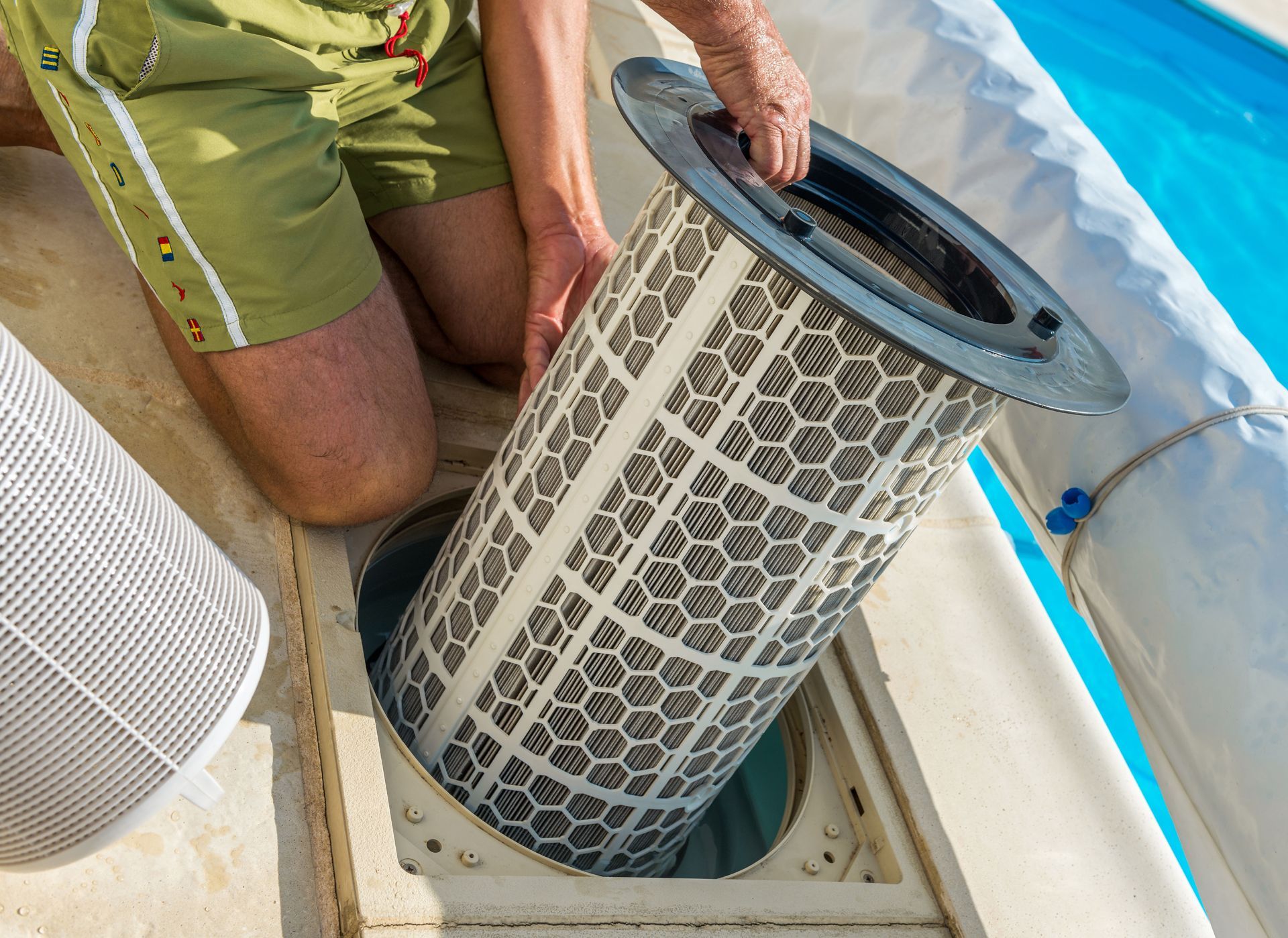
Filters are often the first place to look when water flow decreases. Over time, debris, oils, and contaminants accumulate within the filter media, reducing efficiency. Cleaning filters according to manufacturer guidelines can significantly improve circulation and water clarity.
Pumps should also be monitored for unusual noises or changes in performance. Grinding, rattling, or humming sounds may indicate worn bearings, airlocks, or developing mechanical problems. Addressing these issues quickly can reduce the likelihood of needing major hot tub repair services later.
Jets deserve attention as well. Blocked or malfunctioning jets can create uneven water pressure and affect the overall spa experience. Routine inspections help ensure that every component of the circulation system continues operating properly.
Testing Heating Components
Few things are more frustrating than stepping into a hot tub only to discover that the water is not warm enough. Heating issues are among the most frequently reported concerns and often stem from a handful of common causes.
A malfunctioning thermostat may provide inaccurate temperature readings, causing inconsistent heating cycles. Heater elements can also develop scale buildup or wear out over time, reducing efficiency and increasing energy consumption. Regular inspections help identify these issues before complete failure occurs.
Water flow problems can also impact heating performance. Many systems rely on adequate circulation to activate heating components. If filters become clogged or pumps are not functioning correctly, the heater may struggle to maintain the desired temperature.
Testing these components periodically helps ensure reliable performance throughout the year. When heating issues become more complex, professional hot tub repair services can provide a thorough diagnosis and recommend the most effective solution.
Evaluating DIY and Professional Solutions
Many hot tub owners appreciate handling basic maintenance tasks themselves. Cleaning filters, balancing water chemistry, and replacing simple components are often manageable projects that require minimal experience. These small efforts can save time and help prevent larger issues from developing.
However, not every repair is suitable for a do-it-yourself approach. Electrical troubleshooting, major plumbing repairs, and control system replacements often require specialized knowledge and tools. Attempting these repairs without proper training can increase safety risks and potentially cause additional damage.
Understanding your comfort level and skill set is an important part of responsible ownership. When in doubt, consulting a qualified technician is often the smartest choice. Professional tub repair specialists can quickly identify underlying problems and perform repairs safely and efficiently.
Balancing DIY maintenance with expert assistance allows homeowners to maximize performance while minimizing unnecessary expenses. Knowing when to seek help can make all the difference in preserving your investment.
Preparing for Seasonal Changes
Seasonal maintenance helps protect your hot tub from changing weather conditions and keeps it ready for use throughout the year. Different climates create unique challenges, making seasonal inspections an important part of long-term care.
During colder months, winterization becomes essential for spas that will not remain in operation. Proper draining, drying, and protection of plumbing lines help prevent freeze damage that can result in expensive repairs. Taking a few preventative measures before temperatures drop can save considerable time and money later.
As warmer weather returns, spring startup procedures should include cleaning, refilling, and carefully inspecting all components. Checking pumps, heaters, filters, and control systems before regular use helps identify any issues that developed during periods of inactivity.
Creating a seasonal maintenance routine encourages consistency and reduces the likelihood of unexpected breakdowns. Proactive care often extends equipment lifespan and contributes to a more enjoyable ownership experience.
Long-term success with a hot tub comes down to consistency. Regular inspections, balanced water chemistry, clean filters, and prompt attention to developing issues all contribute to reliable operation. While occasional repairs are inevitable, proactive maintenance greatly reduces the frequency and severity of problems.
Following a structured checklist allows homeowners to stay ahead of common concerns while protecting their investment. Whether you are troubleshooting a minor issue or scheduling professional service, understanding the fundamentals of hot tub care makes ownership far less stressful. By staying attentive to your system's needs, you can enjoy comfortable, relaxing soaks for years to come. For professional assistance with maintenance and hot tub repair needs, contact CareFree Pool & Spa.


Share On: